
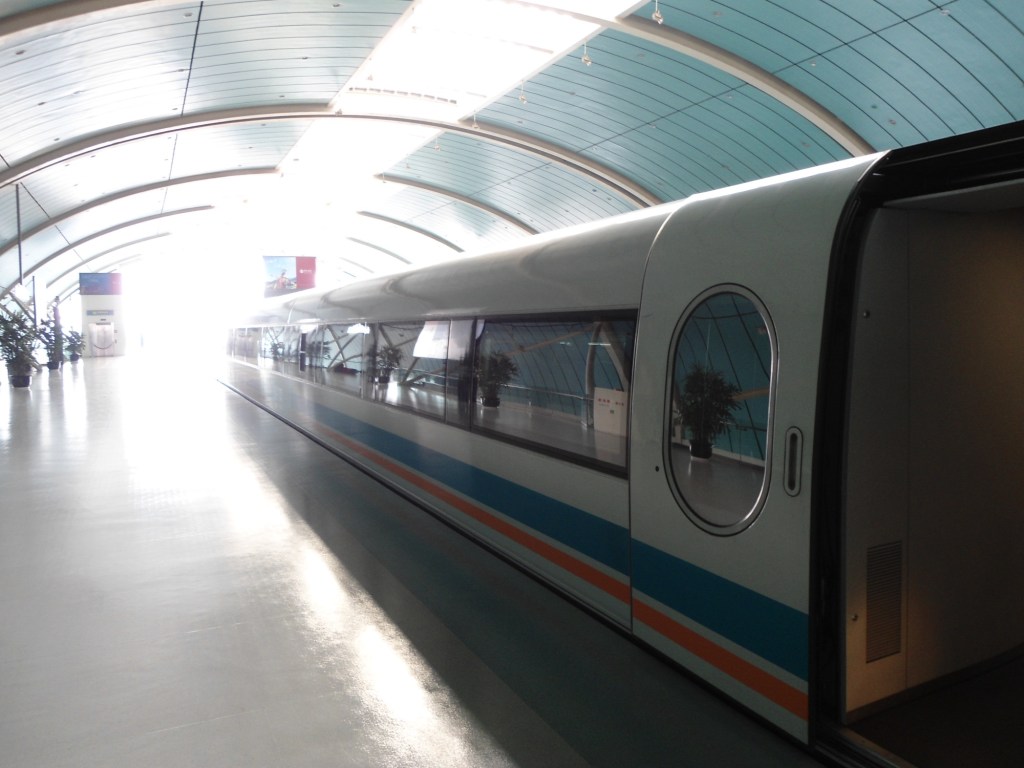
Science does not only help us understanding matters, it also often leads to new technology. One example is the Transrapid or Maglev train. Originally developed in Germany it is nowadays operating in Shanghai. The track from Pudong Airport to the city centre of Shanghai is the only commercial one in the world. The train sometimes reaches up to 420 km/h.

What is essential in scientific development is to learn from mistakes. In 1988 a brand-new Airbus A320 crashed into a forrest at the end of an airfield in France when performing a low flyover for an airshow.

The captain claimed the engines were not responding, but in fact they did respond with an absolutely normal delay while powering up. He also said the nose of the plane went down when he pulled the sidestick. But here comes the innovation of the plane, the fly-by-wire system, which means that the pilot is controlling the computer and the computer is controlling the plane.
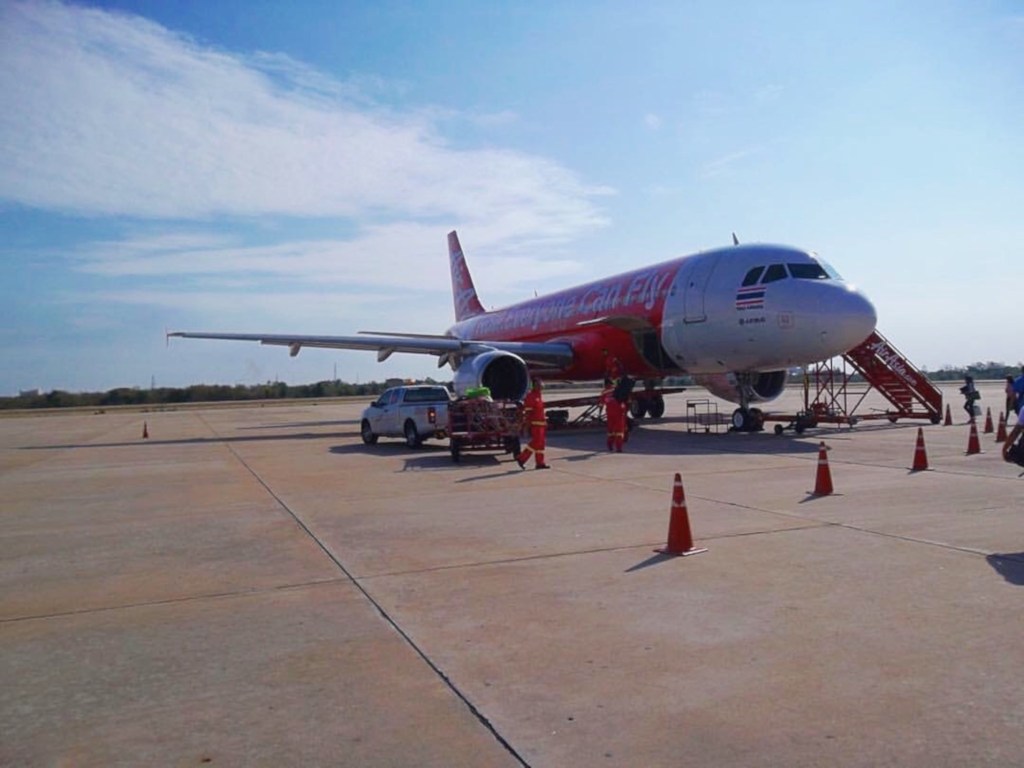
The captain would have stalled and crashed any other plane immediately by pulling the nose up at such a slow speed. But the Airbus avoided the stall by pushing its nose down instead. It saved the lives of most people on board.
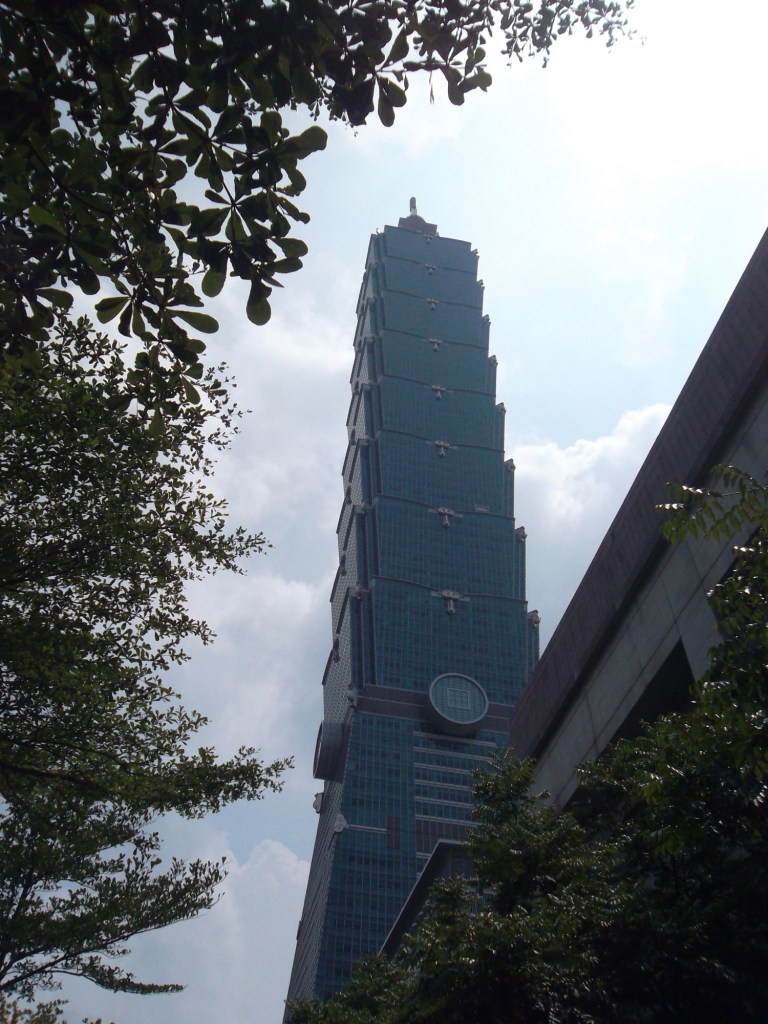
Science is also involved in architecture, the art of engineering. The Taipei 101 was the tallest building in the world from its completion in 2004 until the completion of the Burj Khalifa in 2009. It is equipped with a steel pendulum that serves as a tuned mass damper to make the tower resistant against storms and earthquakes.
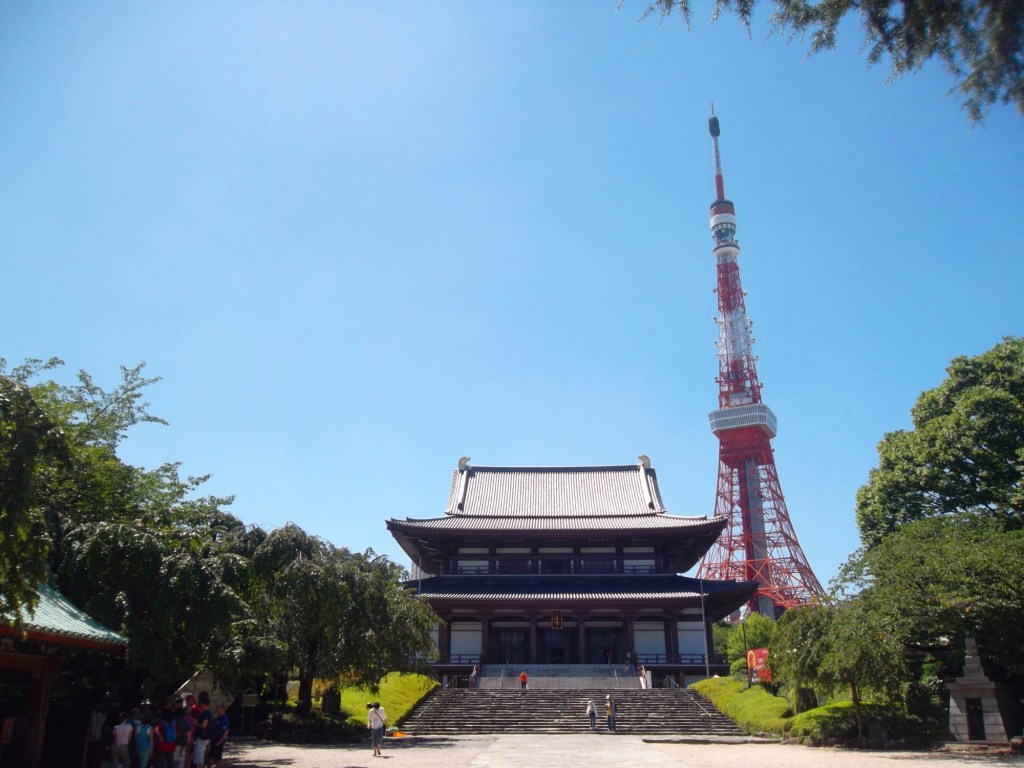
The Tokyo Tower is a communications and observation tower in Minato, Tokyo.
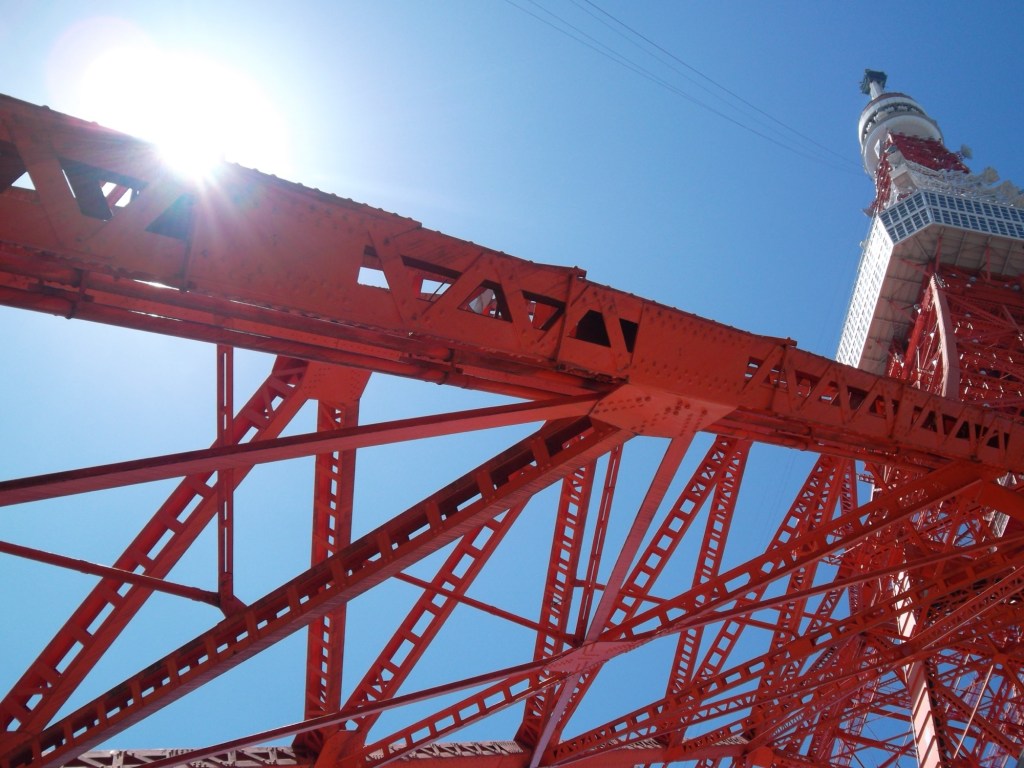
It was built in 1958 and is the second tallest structure in Japan.

Science and observation can have astonishing outcomes. An asteroid named 2019 OK, travelling at almost 25 kilometres per second, passed earth on 25 July 2019 at only 70,000 kilometres, closer to earth than our moon.

However, it is about the size of an Airbus A380 and was therefore hard to discover. In case of an impact it could have wiped out a city, but asteroids large enough to be a threat for humanity can be discovered early enough.
 BP GEOGRAPHIC
Leave a comment