
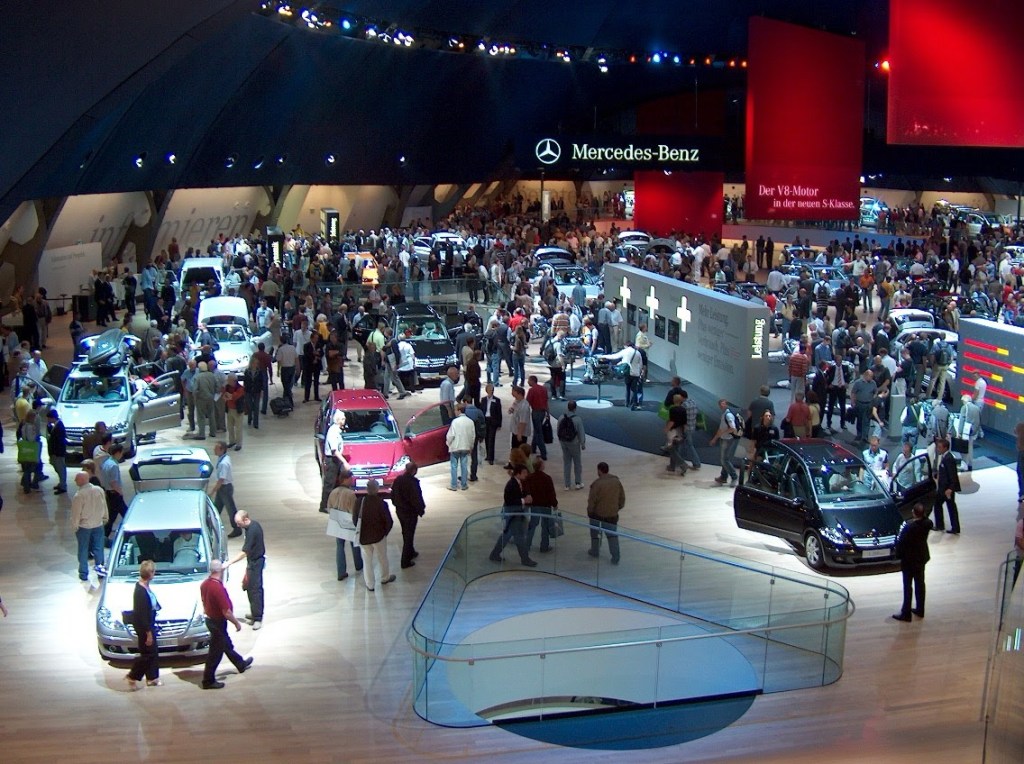
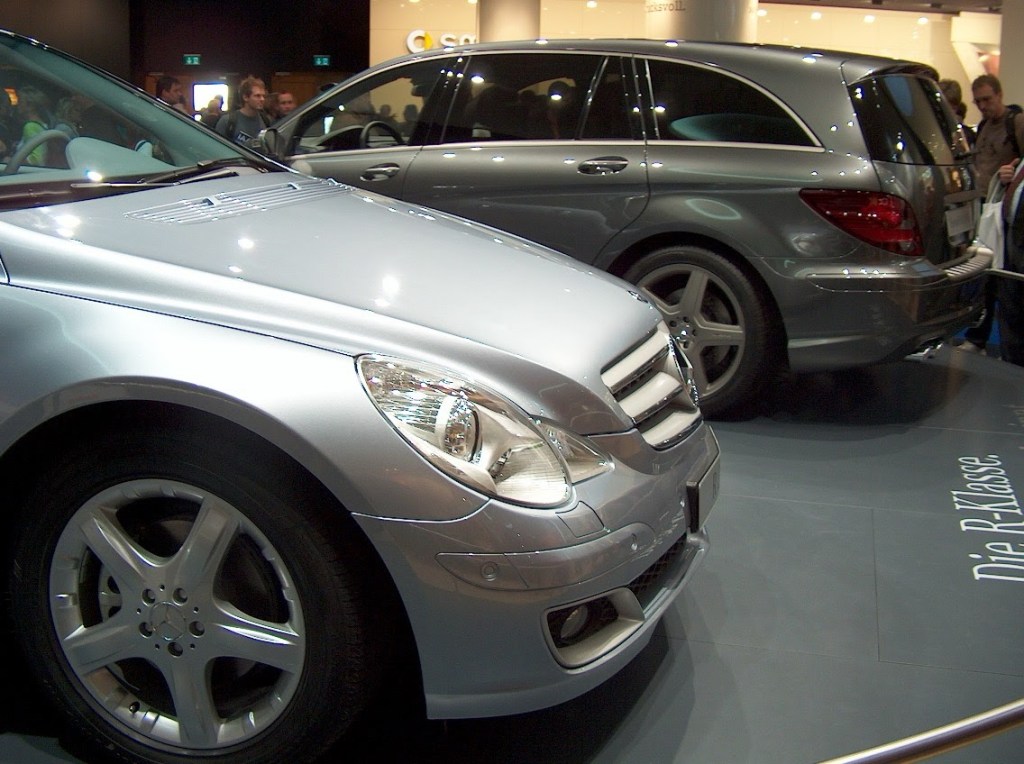
News from Mercedes-Benz Group at the IAA Frankfurt Motor Show 2005. The Mercedes-Benz R-Class was an attempt to offer a luxury tourer with six single seats.
While the first Aston Martin DB (which stands for Sir David Brown who owned the company at that time) was introduced in 1948 with the 2-lite which is retrospectively known as DB1, the name DB first appeared on the successor DB2 (later developed into the DB2/4 Mark II) which got an engine designed by W. O. Bentley.
The modern look of Aston Martin (especially the modern form of the grille) first appeared on the DB Mark Ill in 1957. The successor DB4 was developed into the famous DB5. Although James Bond was driving a DB Mark Ill in a novel (where it was called DB III) in the film adaptions the DB5 was used, which was the current Aston Martin at that time. There were only 1000 DB5 produced, while twice as many of the successor DB6. After it there was the DBS and then only the V8 (also called AMV8) for many years.
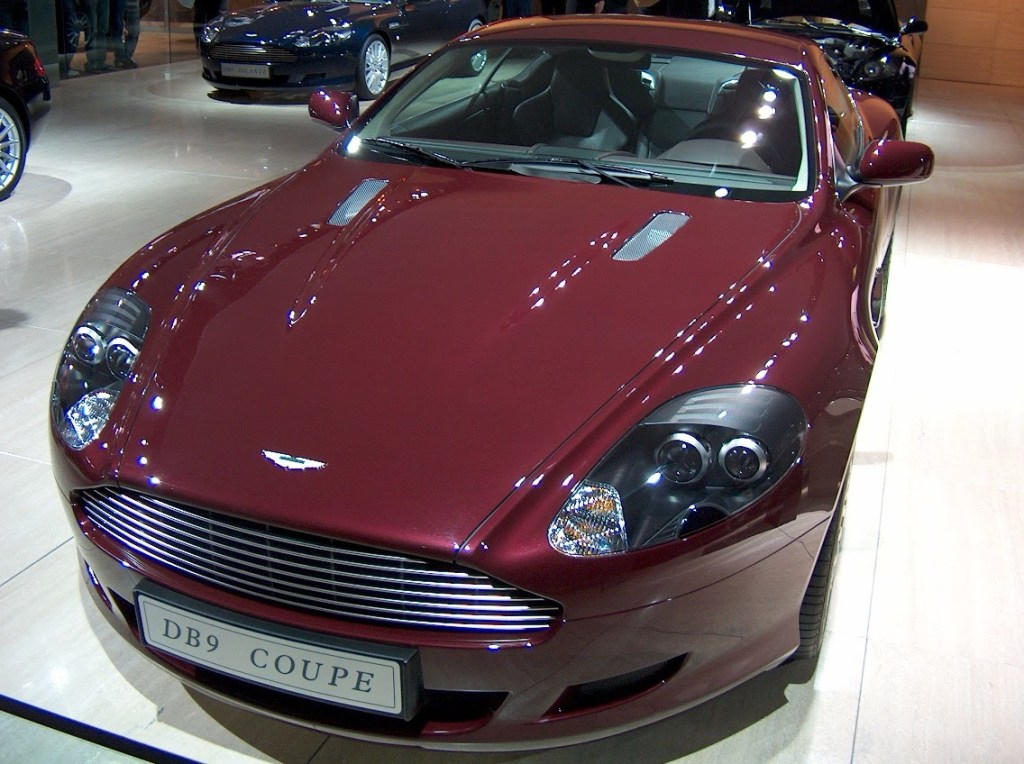
Over 25 years later the DB7 was introduced, later the more powerful Vanquish, and the smaller Vantage. Then the DB9 became one of Aston Martin’s milestones, as DBS it even appeared in two new James Bond movies, and a four-door version was introduced called Rapide.
The DB10 was built exclusively for James Bond, only ten cars were produced. What was following as the next-generation Aston Martin models are the DB11 and the DB12.
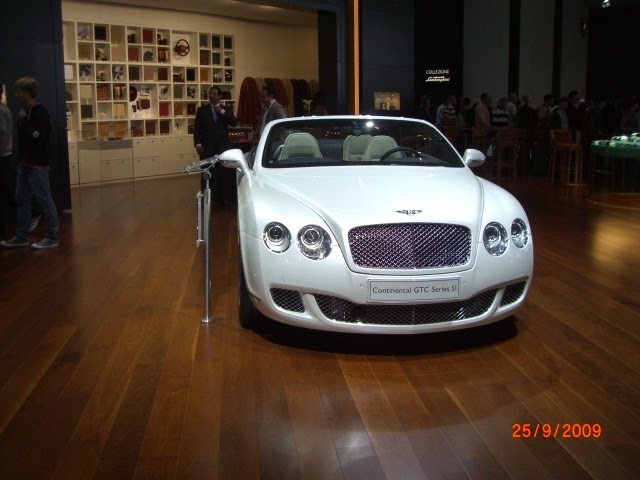
Regarding Bentley, the new generation Continental GT was displayed at the IAA Frankfurt Motor Show 2009.

The VW Phaeton is probably one of the most qualitative cars in the world. It was handmade in the transparent factory in Dresden, Germany, according to ideas and quality standards of former Volkswagen CEO Ferdinand Piëch.
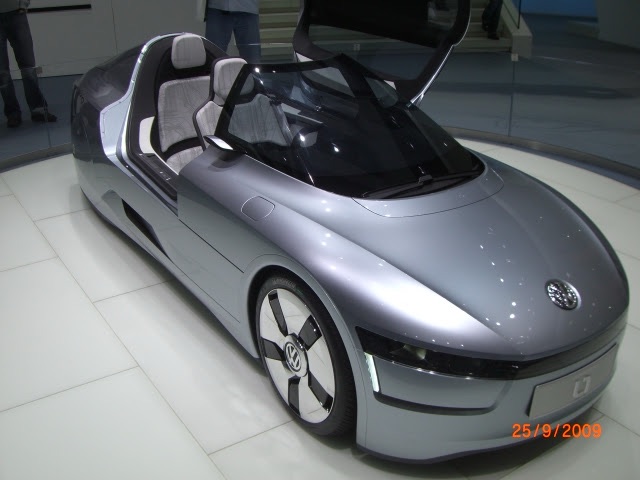
The VW XL1 was Volkswagen’s project of a car which needs only one litre of fuel per one hundred kilometres. It was achieved mainly by a light weight and good aerodynamics.
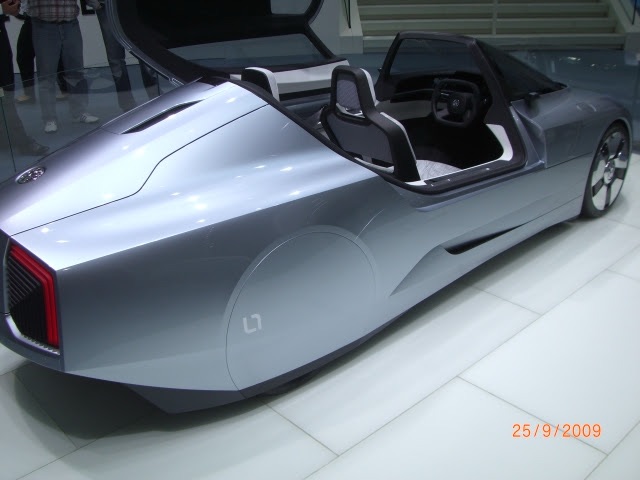
This final version was a hybrid and was produced on small scale later. During its development it was tested by Ferdinand Piëch himself.
 BP GEOGRAPHIC
Leave a comment